Let's talk about poop (yes, really)
I log my bowel movements in an app. It sounds silly, but the log says a lot about your gut.
Poop isn’t a dinner-table topic, but it says a lot about how your gut is doing. So I track mine.
My poop diary
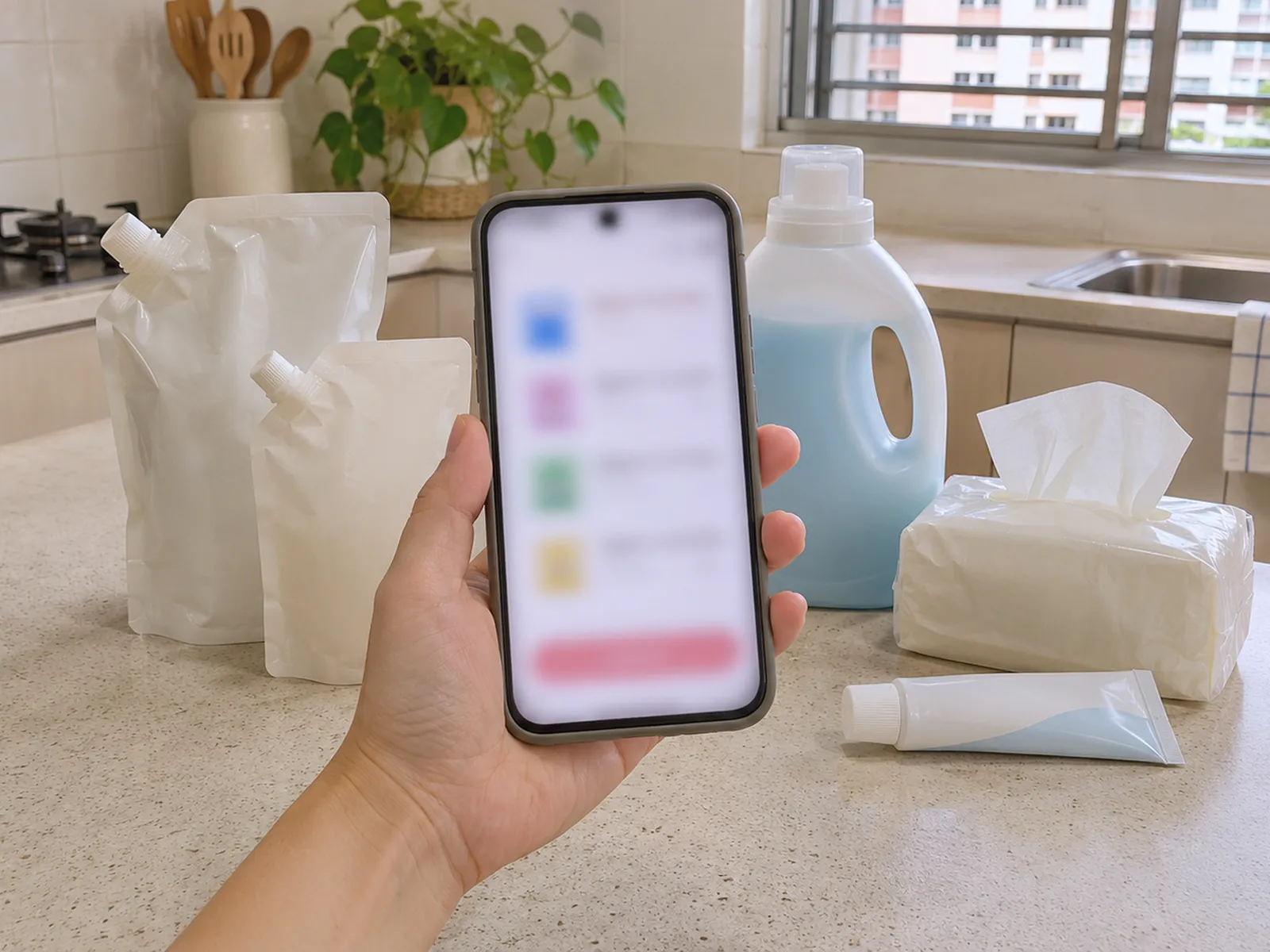
I use Poo Keeper on my phone. Each time I go, I tap the stool type and I’m done. It can also take a photo, send a reminder when you haven’t gone in a while, and export a PDF to show a doctor.
The point is the pattern, not any single day. Over a few weeks, you’ve got a record to talk through with a doctor.
The 7 types, quickly
The app uses the Bristol Stool Chart:
- Types 1 and 2: separate hard lumps or a lumpy sausage. Signs of constipation.
- Type 3: sausage with cracks. Normal.
- Type 4: smooth and soft. The ideal.
- Type 5: soft blobs with clear edges. Looser stool; the shape alone doesn’t tell you the cause.
- Types 6 and 7: mushy to watery. Diarrhoea.
You don’t need to go every day. Anywhere from three times a day to three times a week is normal, as long as it comes out easily.
Habits and food that help
- Five minutes, no phone. Don’t force it if nothing’s happening.
- Go when you feel the urge. Holding it in lets your colon pull out more water, so it gets harder.
- Right after breakfast. Your gut gets moving after a meal.
- Feet on a footstool. It can make the position more comfortable.
- A walk after dinner. Moving helps your gut move too.
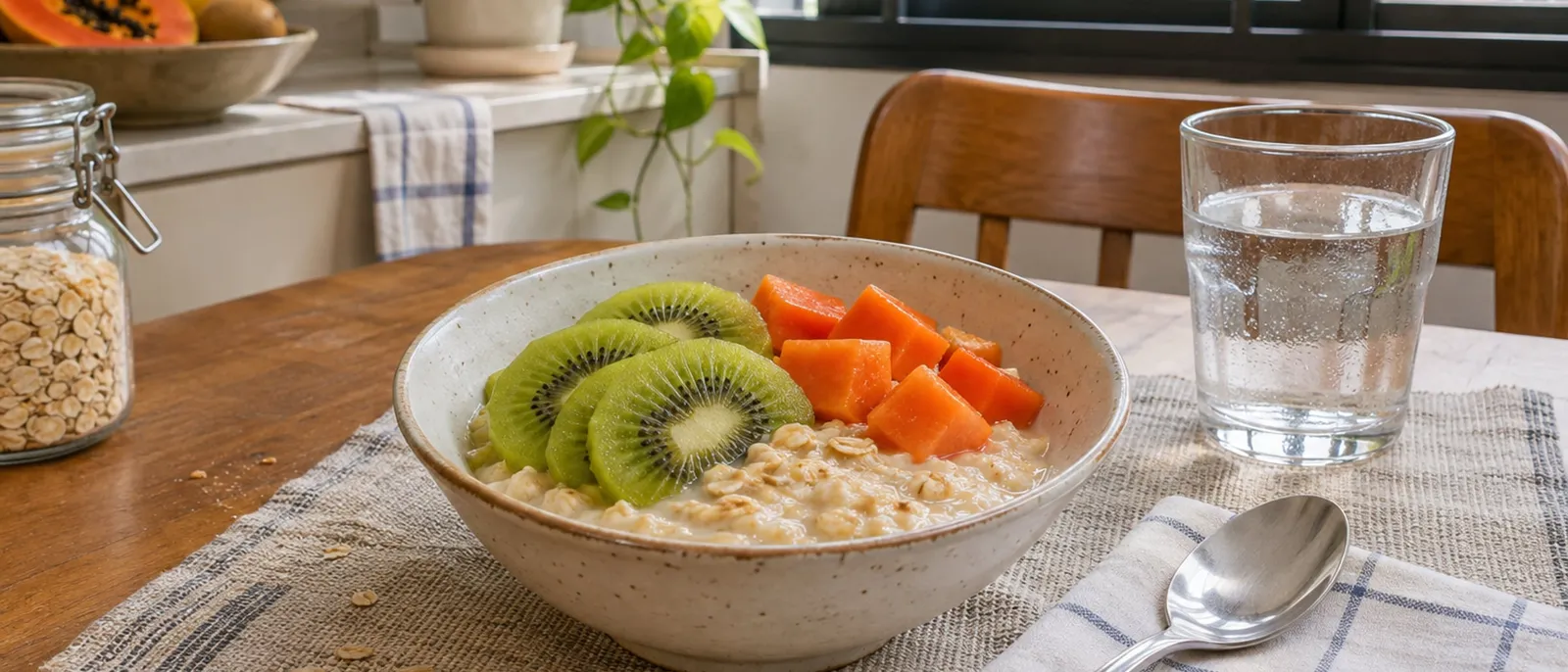
Singapore’s Health Promotion Board recommends about 20g of fibre a day for women and 26g for men. Foods that add fibre include kiwi, prunes, oats with a spoon of flaxseed, papaya, chye sim and kailan. At the hawker centre, add a plate of vegetables to chicken rice, take two vegetable dishes at economy rice, or choose more vegetables in your yong tau foo.
Add fibre slowly, and drink more water with it. A sudden jump can leave you bloated and gassy, and fibre without enough water can even make constipation worse.
When to see a doctor
There’s no prize for a perfect Type 4 every day. Log to spot trends, not to stress. But tracking helps you notice when something is really off:
- Get emergency care now for heavy or nonstop bleeding, such as toilet water turning red or large blood clots.
- Seek urgent medical advice the same day for black, tarry or dark red stools, or bloody diarrhoea.
- Book an appointment for any blood in your poop, pale or greasy stools that keep coming back, changes lasting more than three weeks, or weight loss and tummy pain you can’t explain.
The NHS guide to rectal bleeding distinguishes emergency bleeding from symptoms needing an urgent appointment. Don’t wait to build up an app history before getting help.
Normal-looking poop doesn’t mean all is well inside. In Singapore, colorectal cancer screening from age 50 includes an annual take-home FIT stool test for people at average risk. With a family history, ask your doctor which screening is appropriate and when to start. If you have symptoms, see a doctor rather than waiting for routine screening. It’s worth reminding your parents too.
I’m not a doctor. This is general information, so check with yours about your own symptoms.